

When you drop off your vehicle at the depot, a condition check is completed before it is prepared for transport. The vehicle is then loaded onto a suitable carrier and secured using professional restraints.
During transit, handling follows the same structured processes used across all services, focusing on stability and consistency. Upon arrival, the vehicle is unloaded at the destination depot and made available for collection.
Clear processes at both depots help ensure the vehicle is handled responsibly at every stage.
What This Service Is and How It Works
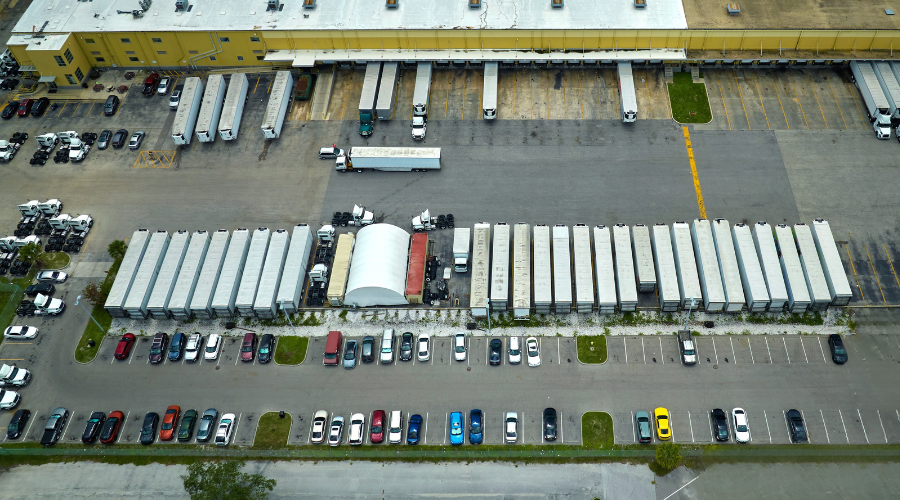
Depot to depot car transport is a service where your vehicle is dropped off at a designated transport depot and collected from a depot near the destination.
The transport process begins once the vehicle is received at the depot, where it is inspected and prepared for loading. From there, it is transported along a planned route and made available for collection at the destination depot.
This service is structured to provide flexibility and efficiency, allowing customers to manage drop off and collection within operating hours while benefiting from a streamlined transport process.
Is This the Right Choice for Your Vehicle?
Depot to depot car transport is well suited for customers who prefer flexibility and are comfortable managing drop off and collection themselves.
This service is commonly chosen for:
- Customers with flexible schedules
- Vehicles already located near transport depots
- Cost conscious transport requirements
- Interstate moves where depot access is convenient
- Situations where timing flexibility is preferred
If you are able to visit depots and want a more economical transport option, depot to depot transport can be a practical and efficient choice.
How Your Vehicle Is Handled From Drop Off to Collection
How This Compares to Door to Door Transport Service (Quick Compare)
Depot to Depot Car Transport
- Vehicle dropped off and collected at designated depots
- Greater flexibility for customer managed timing
- More cost effective due to reduced coordination
Door to Door Car Transport
- Vehicle collected from and delivered near nominated addresses
- Minimal customer involvement required
- Higher convenience with additional coordination
What to Expect: Pricing and Transit Time
Pricing considerations
Depot to depot transport is generally more affordable than door to door services. This is due to reduced access planning and lower operational coordination, which helps keep costs controlled.
Transit time considerations
Transit times depend on route schedules and depot intake volumes. Vehicles may wait at depots for the next scheduled movement, which allows efficient carrier utilisation while maintaining consistent handling standards.
Clear guidance on pricing and expected timelines is provided once booking details are reviewed.
What Happens After You Book
After booking, you receive instructions for depot drop off, including operating hours and intake requirements.
Once your vehicle is received, it is scheduled for transport and monitored through each stage of the journey. You are advised when the vehicle is ready for collection at the destination depot.
From booking through to collection, the process remains structured and predictable, allowing you to plan with confidence.
Frequently asked questions
Depot to depot transport is ideal if you have flexibility to drop off and collect your vehicle and want a more cost effective option compared to door to door services.
Depots are available on major interstate routes and metropolitan areas. Availability can vary for regional locations, which is assessed during booking.
Yes. A nominated person can drop off or collect the vehicle, provided identification and booking details are confirmed at the depot.
Vehicles may remain at the depot until the next scheduled carrier movement. This is part of efficient route planning and helps manage transit costs and consistency.
Once your details are reviewed, both options can be explained clearly based on cost, convenience, and timing, allowing you to choose what best suits your needs.