

Before transport, vehicle details are reviewed to determine the appropriate carrier and loading method. This ensures sufficient clearance and spacing throughout the process.
Specialised equipment and controlled loading techniques are used to minimise risk when positioning the vehicle. Once secured, the vehicle remains stable during transit, with handling adapted to its specific requirements.
From pickup to delivery, the transport process is adjusted to suit the vehicle’s dimensions rather than forcing it into a standard setup.
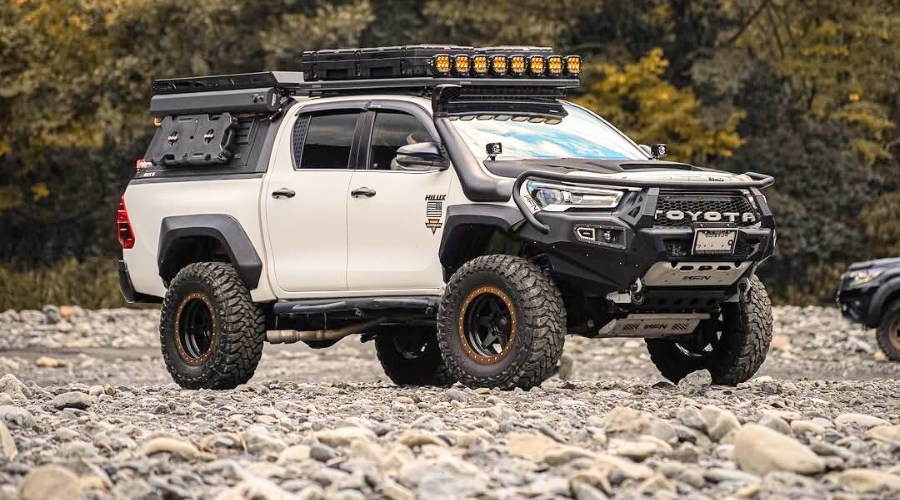
What This Service Is and How It Works
Low clearance and modified vehicle transport is a specialised service designed for vehicles that cannot be safely moved using standard car carriers.
This includes vehicles with reduced ground clearance, extended body kits, wide modifications, or non-standard dimensions. These vehicles require specific loading angles, equipment, and carrier configurations to prevent contact or damage.
The transport process is planned to accommodate the vehicle’s unique dimensions from loading through to delivery, ensuring it is moved safely and appropriately throughout the journey.
Is This the Right Choice for Your Vehicle?
This service is required for vehicles that do not meet standard clearance or size requirements for regular transport carriers.
This service is commonly chosen for:
- Vehicles with low ground clearance
- Modified vehicles with body kits or splitters
- Vehicles with lowered suspension
- Wide, long, or non-standard size vehicles
- Performance or custom-built vehicles
If a vehicle does not meet standard carrier specifications, this service is essential to prevent damage during loading, transit, and unloading.
How Your Vehicle Is Handled From Drop Off to Collection
How This Compares to Standard Vehicle Transport Service (Quick Compare)
Low Clearance & Modified Vehicle Transport
- Designed for non-standard or low clearance vehicles
- Uses specialised carriers and loading methods
- Required to prevent damage to modified vehicles
Standard Vehicle Transport
- Suitable for vehicles with normal clearance and dimensions
- Uses standard carrier configurations
- Not appropriate for low or oversized vehicles
What to Expect: Pricing and Transit Time
Pricing considerations
Pricing reflects the need for specialised carriers, reduced vehicle capacity, and additional planning. This service is typically higher than standard transport due to the specific handling requirements involved.
Transit time considerations
Transit times vary based on route availability and equipment scheduling. While planning may take additional coordination, transport standards remain consistent throughout the journey.
Clear pricing and timing guidance is provided once vehicle details are reviewed.
What Happens After You Book
After booking, vehicle specifications are confirmed to ensure the correct transport setup is assigned.
You will receive guidance on pickup or drop-off requirements and what to expect at each stage. If any additional details are required to ensure safe handling, this is addressed before transport begins.
From confirmation through to delivery, the process remains structured and focused on moving the vehicle safely without compromise.
Frequently asked questions
This service is required when a vehicle does not meet standard clearance or size limits. Using standard carriers in these cases increases the risk of damage.
No. Standard carriers are not designed for low or oversized vehicles. Attempting to use them can result in underbody, bumper, or body kit damage.
Lowered suspension, body kits, splitters, widebody conversions, extended wheelbases, and non-standard dimensions all typically require specialised transport.
Yes. The service is designed specifically to accommodate the vehicle’s dimensions, reducing risk during loading, transit, and unloading.
Once vehicle details are provided, clearance and size requirements are assessed to determine whether specialised transport is necessary before proceeding.